
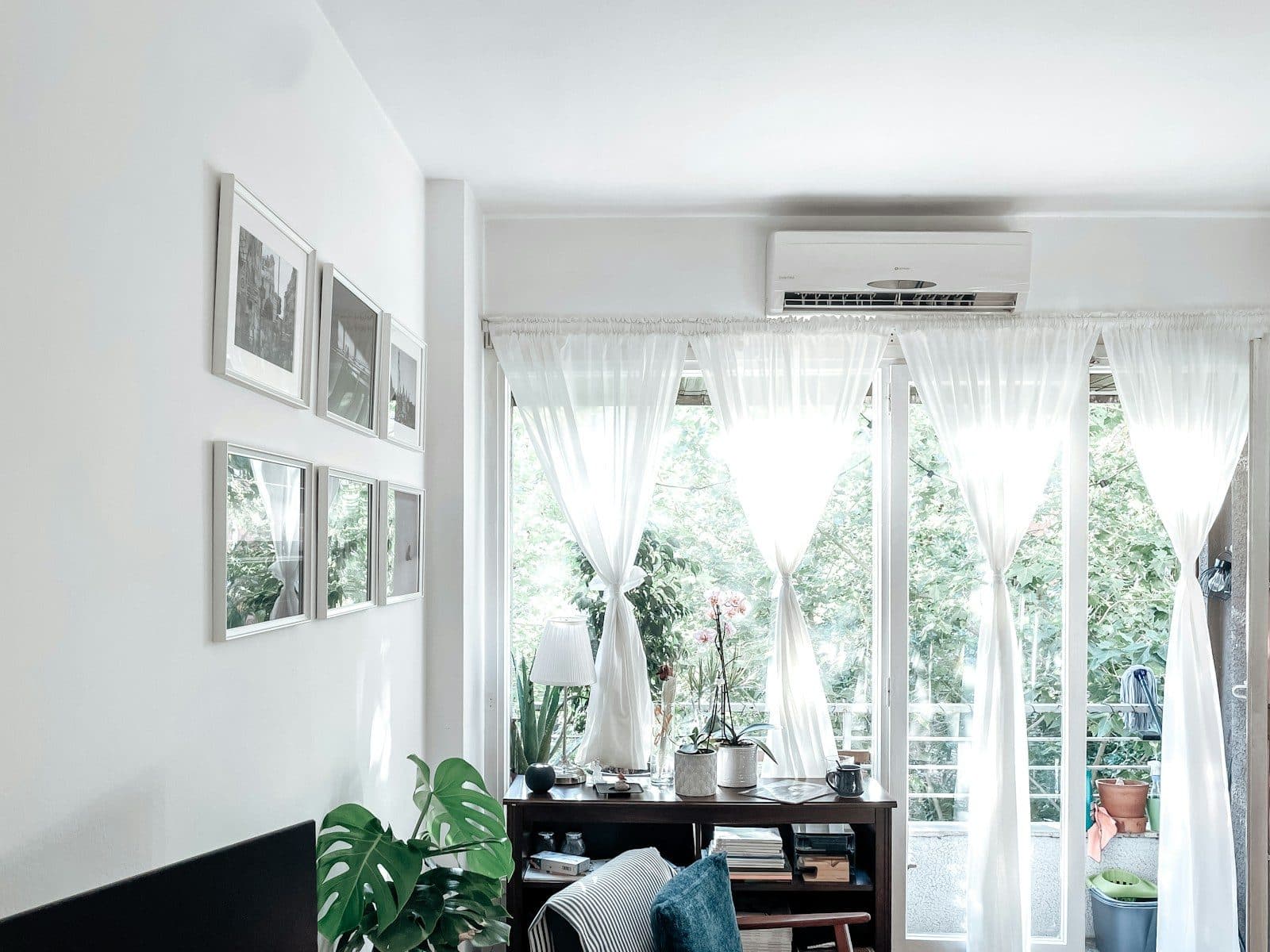
Room-By-Room Comfort, No Ductwork Required
Not every home is built for central air, and that’s exactly where mini-splits come in. Whether you’ve got an addition without ductwork, an older Philadelphia rowhome that was never designed for it, or a single room that never seems to match the rest of the house, a ductless system lets you control the temperature exactly where you need it, without tearing into walls or ceilings.
If your mini-split isn’t cooling like it used to, is leaking, or is making noise it shouldn’t, our technicians diagnose the actual cause before recommending a fix. And if you’re installing one for the first time, we size and place each unit based on your specific space, not a generic formula.
- Family-Owned Since 1955
- 15+ Years of Experience
- Science-Based Diagnostics
- Fair Pricing, Up to 40% Less


Mini-Split Installation
A mini-split system lives or dies on placement. Put the indoor unit in the wrong spot, or size it wrong for the room, and you’ll end up with a space that’s either never comfortable or working overtime to stay that way. We evaluate each room individually, so the unit you get actually matches what that space needs.
We also handle multi-zone setups for homes that need more than one indoor unit running off a single outdoor condenser, which is often the more efficient and less invasive option compared to extending ductwork into a new addition or converted space.
- Room-Specific Sizing
- Multi-Zone Options Available
- Long-Term Reliability
Mini-Split Repair
Mini-split problems usually show up as one of a few things: a unit blowing warm air, one zone that’s stopped cooling while others work fine, or a system that’s leaking or dripping where it shouldn’t. Each points to something different, and we test for the actual cause instead of guessing.
That might mean a refrigerant issue, a failing component in the indoor or outdoor unit, or a clogged condensate line. Whatever it turns out to be, you’ll know exactly what’s wrong and what it costs before we touch anything.
- Accurate Diagnosis
- Fair Pricing
- Fast Turnaround
Frequently Asked Questions
Instead of pushing air through a network of ducts, a mini split moves refrigerant between an outdoor compressor and one or more indoor air handling units. In cooling mode, the indoor unit absorbs heat from the air in your room and sends it outside. In heating mode, the process runs in reverse, pulling heat from the outside air, even in cold temperatures, and delivering it indoors. The only connection between the two units is a small line running through a hole in your wall, usually just a few inches wide, which is why installation is so much less invasive than extending ductwork.
A single-zone mini split connects one outdoor unit to one indoor unit, which makes it a great fit for a single room, like a sunroom, home office, or addition that your main system doesn’t reach well. A multi-zone system connects one outdoor unit to multiple indoor units, sometimes up to eight, with each one controlled independently. That means you can keep a bedroom cooler at night while another room stays warmer, without heating or cooling rooms nobody’s using at the moment.
It’s often one of the best options. A lot of older Philadelphia area homes were never built with ductwork in mind, and adding it later usually means cutting into walls or ceilings, which is invasive and expensive. A mini split sidesteps that entirely, since it only requires a small opening to run the line between the indoor and outdoor units. That makes it a practical way to add modern heating and cooling to a home without a major renovation.
Yes, modern mini splits use heat pump technology that’s designed to keep working even as outdoor temperatures drop well below freezing. Rather than generating heat from fuel, the system extracts available heat from the outside air and moves it indoors, which is what allows it to perform in colder climates rather than losing effectiveness once winter really sets in.