
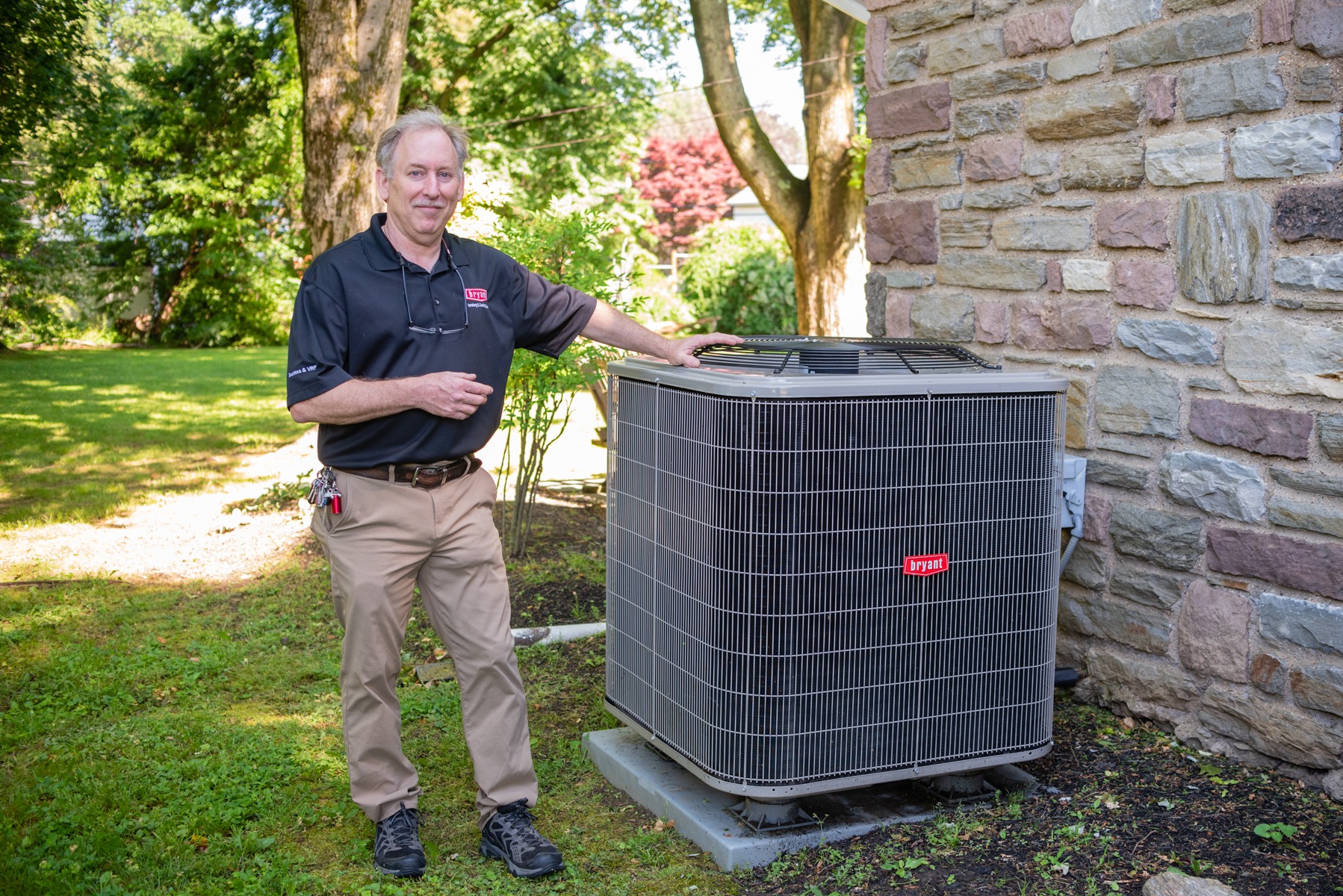
Heating You Can Count On
A working heating system means more than just staying warm. It means peace of mind on the coldest days of the year. Our Heating Repair & Installation service covers everything from routine checkups to full system installs, so you’re never left guessing whether your home will stay comfortable. We use trusted equipment and honest diagnostics to catch issues early, saving you time and money down the road.
Whether it’s a strange noise, a system that won’t turn on, or it’s simply time for a new install, our experienced technicians know how to get your home warm again quickly. We understand how much your comfort matters, so we focus on clear communication and honest answers, meaning you always know your home is in good hands.
- Family-Owned Since 1955
- 15+ Years of Experience
- Science-Based Diagnostics
- Fair Pricing, Up to 40% Less
Heating Installation
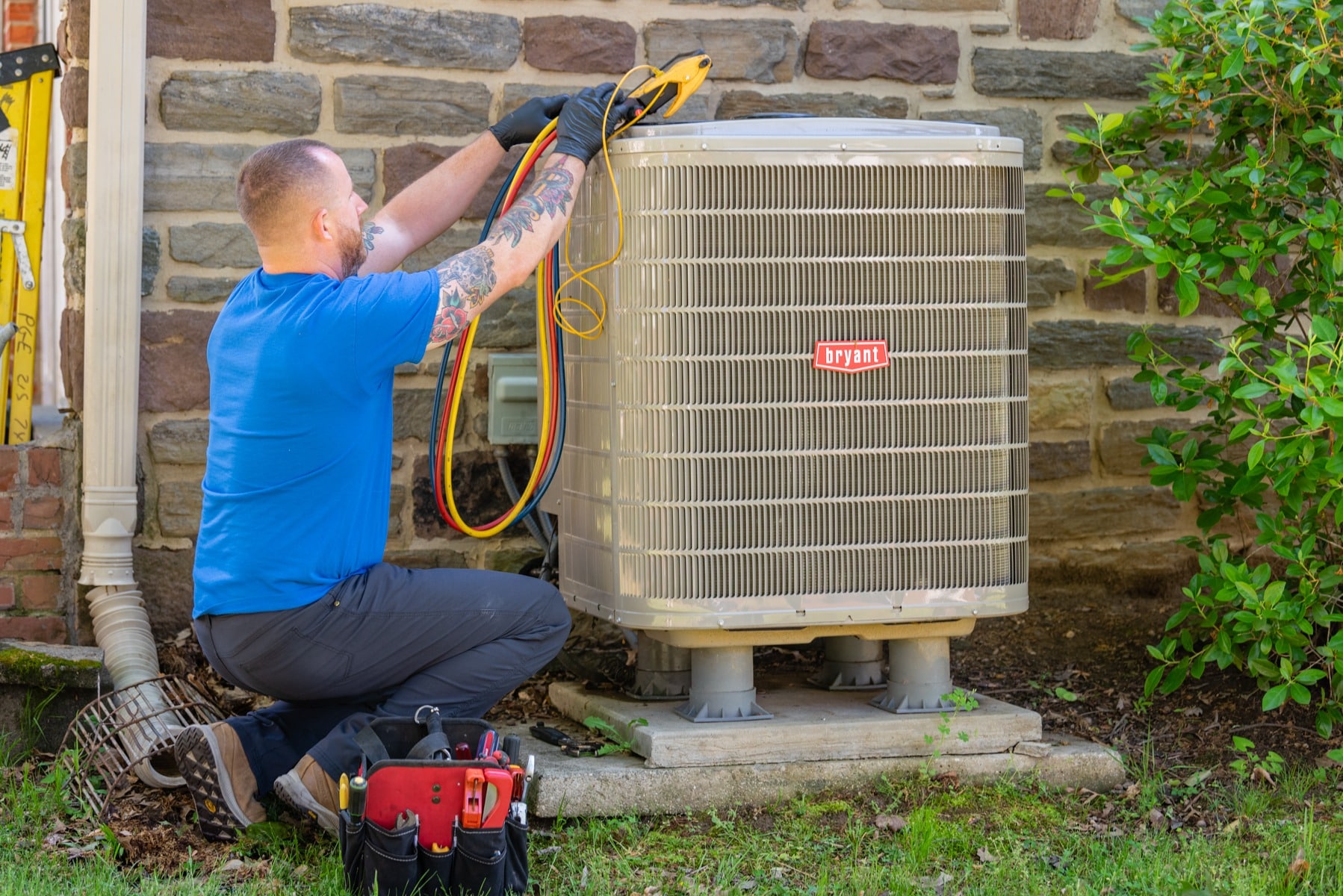
A new heating system is a major investment, and our team makes sure the installation is done right the first time. From start to finish, we handle the entire process, removing the old unit, fitting the new one, and confirming every connection works exactly as it should.
We don’t just install a system, we make sure it delivers the comfort, reliability, and efficiency you’re paying for. With experienced technicians and a focus on doing the job right, we’ll get your home warm again, without the guesswork.
- Accurate Fit
- Fair Pricing
- Long-Term Durability
Heating Repair
A broken heating system can’t wait, especially in the middle of winter. Our team diagnoses the real issue first, so you’re never paying for guesswork or unnecessary parts.
Whether it’s a strange noise, uneven heating, or a system that’s stopped working altogether, our experienced technicians know how to get it fixed right the first time, so your home stays warm and your mind stays at ease.
- Accurate Diagnosis
- Fair Pricing
- Fast Turnaround
Frequently Asked Questions
A gas furnace works by burning fuel to create heat, then using a blower to push that heated air through your ductwork and into every room. A boiler takes a different approach, heating water instead of air and circulating it through pipes to radiators or baseboards, which then release that heat into your rooms. Both systems rely on trusted equipment and a properly sized setup to do the job efficiently, which is why installation quality matters just as much as the equipment itself.
AFUE stands for Annual Fuel Utilization Efficiency, and it tells you what percentage of the fuel your system burns actually turns into heat for your home. A furnace with a 90% AFUE rating converts 90% of its fuel into usable heat, while the remaining 10% escapes as exhaust. The higher that number, the less fuel you’re wasting, which translates directly into lower heating bills over the course of a winter. Older systems often run well below 80%, so upgrading to a high-efficiency model can mean real, ongoing savings.
Sizing matters more than most homeowners realize. A furnace or boiler that’s too small struggles to keep up on the coldest days, running constantly without ever quite reaching your desired temperature. One that’s too large cycles on and off frequently, which wastes energy and leads to uneven heating throughout your home. The right size depends on your home’s square footage, insulation, and layout, which is why we calculate load specifically for your home instead of relying on a generic formula.
Age and repair frequency are usually the biggest factors. If your system is more than 10 to 15 years old and needs frequent service calls, replacement often ends up being the more cost-effective choice, especially once you factor in the efficiency gains of newer equipment. If your system is relatively young and the issue is minor, a repair is typically the smarter move. Not sure which one applies to your situation? Answer a few quick questions and find out whether your system needs a repair or a replacement, no guesswork, no pressure.
A dual fuel system pairs an electric heat pump with a gas furnace, automatically switching between the two depending on outdoor temperature. In milder weather, the heat pump handles heating efficiently using electricity. Once temperatures drop low enough that a heat pump becomes less efficient, the system automatically switches over to the gas furnace to keep your home warm. It’s a way to get the efficiency benefits of a heat pump most of the year, without sacrificing performance during the coldest stretches of a Philadelphia winter.