
Mold in HVAC Ducts: How to Find It and Fix It Fast
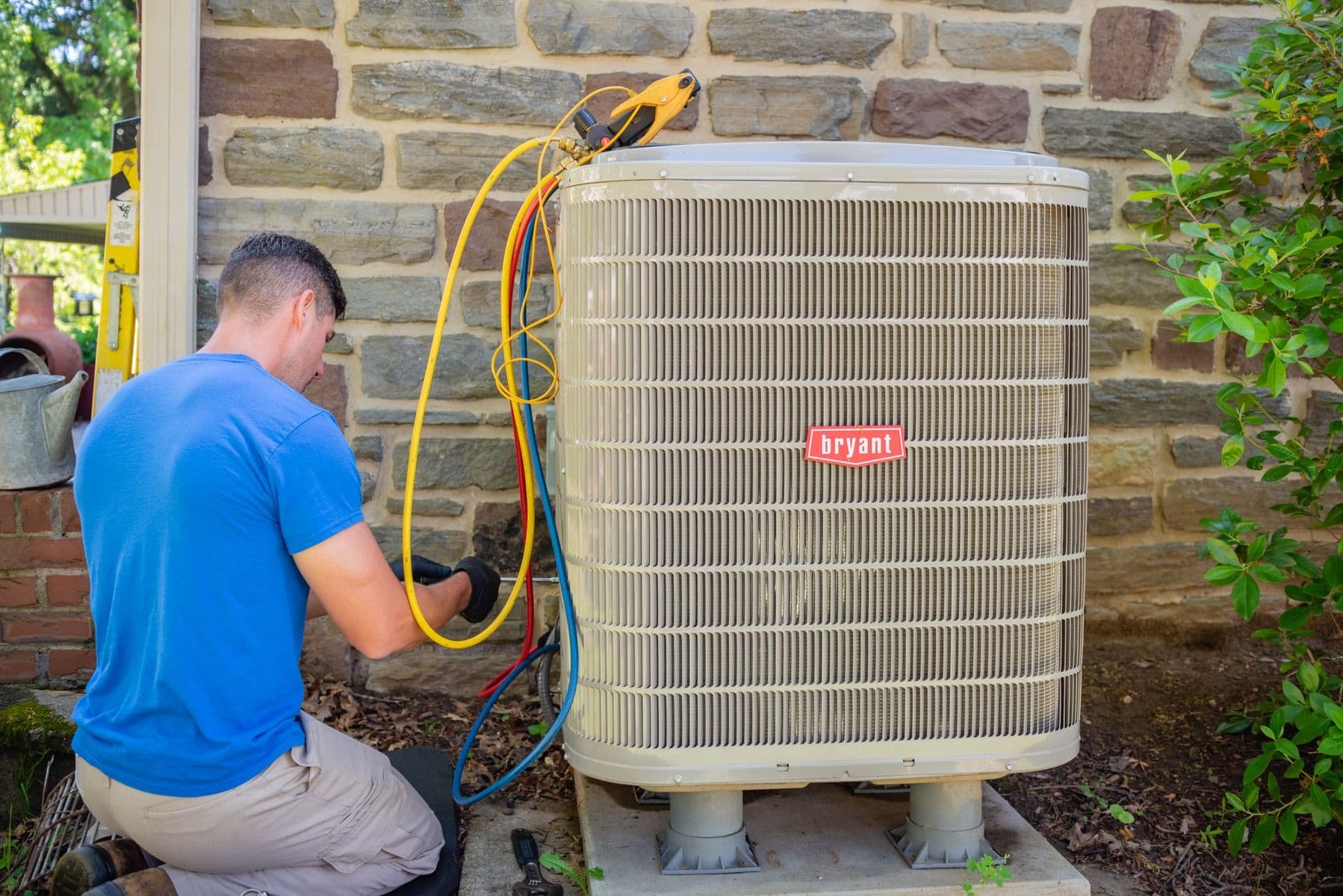
If your home smells musty every time the air kicks on, or your allergies seem to spike the moment the system starts running, mold in HVAC ducts might be the culprit. This guide walks you through exactly how to spot it, how serious it really is, and what it takes to get your home's air back to clean and safe.
Key Highlights
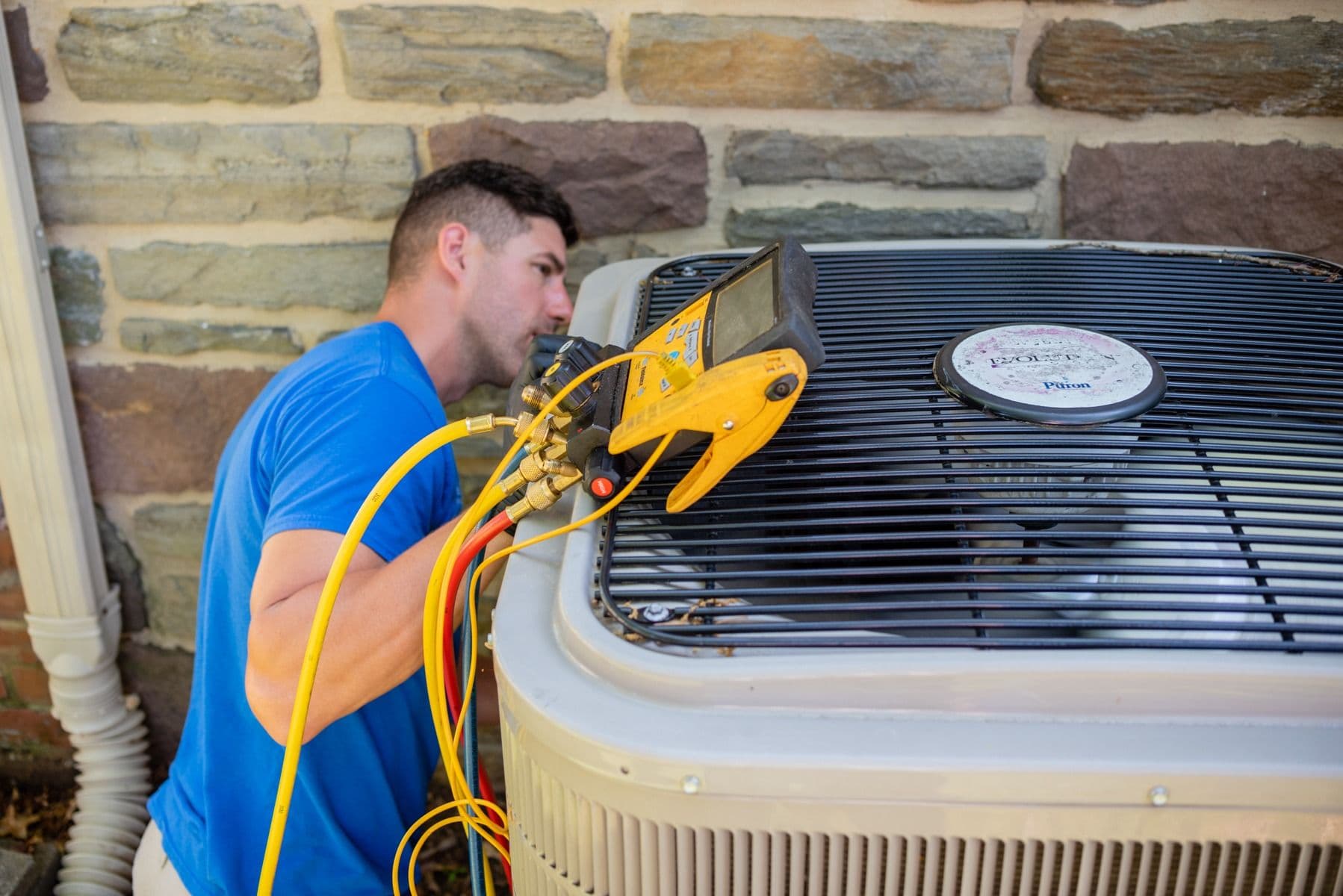
Key Highlights
- HVAC ductwork creates ideal mold conditions: darkness, moisture, dust, and temperature swings combine in ways that encourage fungal growth fast.
- A musty smell when your system runs is often the first warning sign, and it's one you should never ignore.
- Allergy symptoms that worsen specifically when the HVAC is on are a strong indicator that mold spores are circulating through your home.
- DIY inspection is possible and safe, but professional remediation is necessary when contamination has spread beyond a vent or two.
- Controlling humidity levels and scheduling regular maintenance across your entire HVAC system, including your furnace, air conditioner, and heat pump, are the most effective long-term mold prevention strategies.
- UV germicidal lamps and whole-home dehumidifiers provide an additional layer of protection that basic filter changes simply can't match.
Here's Why Mold Loves Hiding Inside Your HVAC Ducts
Mold doesn't need much to thrive. Give it moisture, darkness, a food source, and moderate temperatures, and it will set up shop quickly. Your HVAC ductwork checks every single one of those boxes. When warm, humid air passes through cooler metal ducts, condensation forms on interior surfaces. That moisture buildup, combined with the dust and debris that naturally collect inside ductwork, gives mold spores an easy place to grow.
The problem compounds because of how air circulates through a home. Your system pulls air in through return air vents, conditions it, and pushes it back out through supply registers (the vents that blow conditioned air into your rooms). Every pass through the system picks up microscopic particles (skin cells, pollen, pet dander) that settle inside the ductwork and feed fungal growth. Meanwhile, the air handler and evaporator coil sit in a constantly damp environment, particularly during cooling season. If the drain pan isn't draining properly or the evaporator coil develops any kind of moisture problem, you can have active mold growing at the heart of your system before you ever notice a smell. Drainage defects are a well-documented cause of exactly this outcome. In fact, the CPSC recall database for air conditioners shows you just how frequently poor drainage design leads to mold growth inside home cooling equipment.
Warning Signs You've Got Mold in Your HVAC Vents
Mold in HVAC vents rarely announces itself loudly. It tends to build gradually over time, which is exactly why so many homeowners don't catch it early. That said, there are clear indicators worth knowing. The five most common signs are:
- A persistent musty odor when the system runs
- Visible dark discoloration around vent registers
- Allergy or respiratory symptoms that worsen during HVAC operation
- Visible spores or fuzzy growth visible through vent openings
- Unexplained drops in airflow from certain registers.
Any one of these should prompt a closer look.
Musty Smells and Dark Spots Around Your Vent Registers
A musty odor that hits you the moment your system turns on is one of the most reliable early warning signs of mold in HVAC vents. The smell comes from microbial volatile organic compounds released as mold colonies grow and reproduce. It's distinct from general dustiness (earthier, heavier, and often described as similar to a wet basement or old books).
Alongside that smell, look at your vent registers carefully. Visible discoloration near vent covers (particularly dark green, gray, or black staining) is a signal that mold is growing just inside the duct opening. Sometimes the discoloration appears on the wall or ceiling around the register rather than on the cover itself. That happens because air pressure pushes mold spores outward, depositing them on surrounding surfaces. As a result, if you're seeing this pattern in multiple rooms, the contamination has likely moved well beyond the surface level.
Allergy Flare-Ups That Get Worse When Your HVAC Runs
This one is easy to miss because people assume their allergies are tied to outdoor pollen or seasonal changes. But if your symptoms (sneezing, watery eyes, congestion, throat irritation) reliably get worse within minutes of your HVAC system turning on, that correlation matters. Your cooling system or heating system is essentially acting as a distribution network, pulling mold spores from wherever they've colonized and blowing them into every room simultaneously.
People who are most sensitive include children, the elderly, anyone with asthma, and those already dealing with respiratory conditions. For these individuals, mold in the HVAC system isn't just uncomfortable, it's a genuine health concern that warrants prompt action. Our indoor air quality services are specifically designed to address these kinds of airborne contaminants across your entire system, whether you have a central air conditioner, a heat pump, or a furnace-based system, before they become bigger problems. Notably, landlords and property managers overseeing multi-unit or rental properties face amplified risk, since one compromised HVAC system can circulate mold spores across shared ductwork or multiple units simultaneously, making whole-system inspections especially important.
How to Check Your Own HVAC System Ducts for Mold
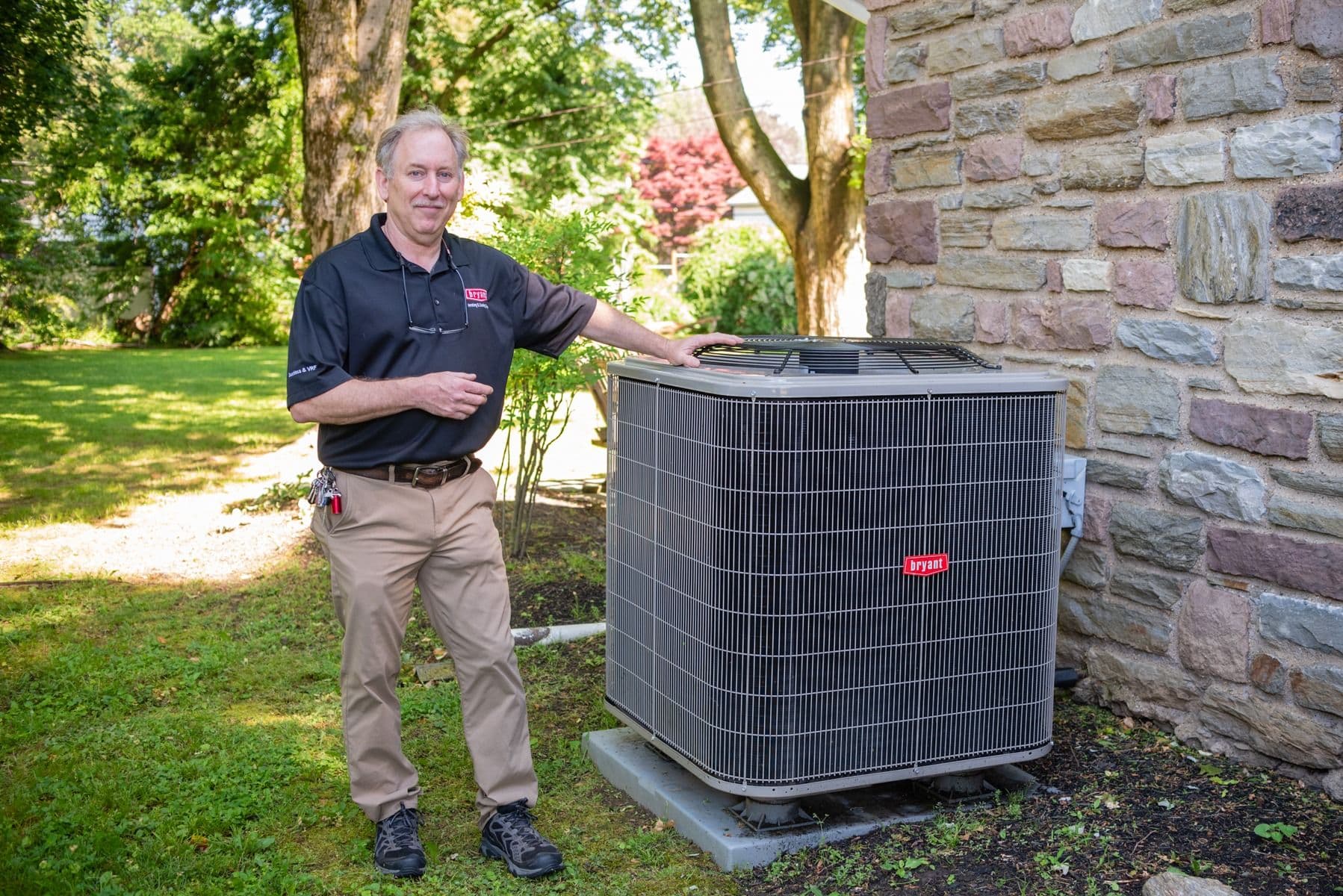
A basic self-inspection is something most homeowners can do safely, and it's worth doing before calling anyone. Start by turning the system off and grabbing a flashlight. Remove a few vent registers (they typically unscrew easily) and shine the light inside. You're looking for fuzzy or powdery growth, dark staining, or any visible discoloration on the interior duct walls. Mold often looks like irregular dark patches or clusters, while dust buildup tends to be gray and uniform. The smell inside the duct will also tell you a lot; active mold has a noticeably sharp, damp odor.
Next, if you can safely access it, check your air handler unit. Look at the evaporator coil and the drain pan beneath it. The drain pan should be dry or nearly dry between cycles (standing water in the pan is a major red flag). Check the condition of your current filter too; a severely clogged filter forces the system to work harder and can cause moisture problems throughout the system. If you see anything that looks suspicious, document it with photos. That information will help a technician assess the situation more accurately. You can also find more preparation tips in our spring HVAC checklist.
How Dangerous Is Mold in Your HVAC System, Really?
We want to be straight with you here: the answer depends on the type of mold, the extent of contamination, and who's living in your home. Most mold found in residential HVAC systems is not the infamous Stachybotrys chartarum (commonly called black mold), but common molds like Cladosporium, Penicillium, and Aspergillus. These are still genuine allergy triggers and respiratory irritants, especially for vulnerable populations. The health risks from mold in HVAC systems should not be minimized, even when the mold isn't the most toxic variety.
That said, a small amount of surface mold near a single vent register is a different situation from a system-wide infestation. Minor contamination caught early can often be addressed without major remediation. Widespread contamination (especially near the air handler, throughout multiple duct runs, or combined with mold testing results showing high spore counts) warrants urgent professional attention. If anyone in your home is immunocompromised, has asthma, or is experiencing recurring respiratory symptoms, don't wait to act.
DIY Cleanup vs. Calling a Pro for HVAC Mold Removal
For very limited surface mold on accessible vent covers or the visible edges of duct openings, DIY mold removal is a reasonable starting point. Use an EPA-registered antimicrobial cleaner, wear an N95 respirator and gloves, and clean the affected surfaces thoroughly. Replace the air filter immediately after any cleaning. However, understand the limits here: cleaning what you can see doesn't address what's deeper in the ductwork or what caused the moisture problem in the first place.
Professional HVAC mold remediation is the right call when:
- Mold is visible at multiple registers or throughout the duct system
- The contamination involves the air handler, evaporator coil, or drain pan
- Residents are experiencing ongoing respiratory symptoms
- DIY cleaning has been tried and the musty odor persists
- Mold testing confirms elevated spore counts in the home's air
- The system is older and duct sealing or duct replacement may be needed
The honest truth is that duct cleaning done right requires specialized equipment and training. In other words, professional-grade mold removal from air ducts involves negative pressure equipment, HEPA-filtered vacuums, and antimicrobial treatments. Plus, these tools simply are not available at your local hardware store. Our certified technicians approach this kind of work with the thoroughness it deserves.
What Actually Happens During Professional HVAC Mold Treatment
Understanding what professional remediation involves helps you set realistic expectations and ask the right questions. Here's how a thorough professional process typically unfolds:
- Full system inspection: A technician inspects the entire HVAC system, including the air handler, evaporator coils, heat pump components, furnace heat exchanger, drain pan, and accessible ductwork, to map the full extent of contamination.
- Containment: To prevent spores from spreading during cleaning, the work area is isolated and the system is depressurized using negative air pressure equipment.
- Mechanical duct cleaning: Specialized brushes and high-powered HEPA vacuums remove debris, dust, and mold colonies from duct interiors.
- Antimicrobial treatment: EPA-registered antimicrobial agents are applied to duct surfaces to kill remaining mold and inhibit regrowth.
- Component cleaning: The evaporator coil, drain pan, and air handler are cleaned and treated separately, since these areas are often the source of the original moisture problem.
- Post-remediation verification: A final inspection, and sometimes air quality testing, confirms the contamination has been fully addressed.
Timeline-wise, most residential jobs take four to eight hours depending on system size and contamination extent. Some situations (particularly when duct replacement is involved) may require a follow-up visit. Our team walks every homeowner through what we find and what we recommend before any work begins. That's simply how we operate. Check our customer reviews to see what that experience looks like from a homeowner's perspective.
Simple Habits That Keep Mold Out of Your HVAC Ducts
Prevention is genuinely easier and cheaper than remediation. The following habits, done consistently, make a meaningful difference in keeping mold out of your ductwork long-term.
- Keep indoor humidity between 30 and 50 percent. A whole-home dehumidifier integrated with your HVAC system is the most effective way to maintain this consistently, especially during humid summers.
- Change your air filter on schedule. A fresh filter every one to three months depending on your household keeps dust and organic debris from accumulating inside the system. Filter replacement is the simplest form of mold prevention there is.
- Schedule annual HVAC maintenance. A professional tune-up includes drain pan cleaning, coil inspection, and a check for moisture-related issues before they escalate. Our air conditioning maintenance and heater maintenance programs are designed specifically to catch these problems early.
- Install a UV germicidal lamp. UV light installed in the air handler kills mold spores, bacteria, and other airborne contaminants before they can colonize duct surfaces. It's one of the most effective air quality upgrades available for residential systems.
- Clean your drain pan regularly. A clogged or standing-water drain pan is one of the most common causes of moisture buildup in HVAC systems. This is something we check every time we're in the system.
- Seal duct leaks promptly. Leaky ductwork pulls unconditioned humid air from attics, crawl spaces, and wall cavities directly into the system. Proper duct sealing eliminates that pathway for moisture.
Our comprehensive maintenance programs are built around exactly these priorities. If you're in the area, we'd genuinely encourage you to explore our service areas to see if we can help. And if cost is a concern, we have financing options that make proactive maintenance accessible. Delaying HVAC care almost always costs more in the long run, as we explain in detail in our post on the real cost of delaying HVAC repairs.
Frequently Asked Questions

Can mold in HVAC vents spread all through my home?
Yes, absolutely. Every time your system runs, it circulates air through every room simultaneously. Mold spores travel with that airflow, depositing on surfaces throughout the house. Early detection and remediation prevent a localized problem from becoming a whole-home contamination issue.
What does professional HVAC mold remediation usually cost?
Costs typically range from $500 to $3,000 or more depending on system size, how extensively the mold has spread, and whether duct replacement is required. A thorough inspection is the only way to get an accurate estimate for your specific situation.
Does cleaning my HVAC system stop mold from coming back?
Cleaning removes existing mold but doesn't prevent recurrence on its own. Lasting control requires fixing the root cause (usually excess humidity or drainage issues) combined with regular maintenance and ideally a UV air purifier to inhibit future mold growth.
Frequently Asked Questions
The most common expensive repairs we see from delayed HVAC maintenance include complete compressor failure, cracked heat exchangers in furnaces, and total blower motor burnout. In nearly every case, these major failures started as small, unaddressed problems that were given months to get worse.
Absolutely. Beyond the eventual major repairs, you'll also deal with higher energy bills from an inefficient system. Additionally, other components can sustain damage from the extra strain, and you may face premature replacement of your entire unit — years before its expected lifespan is up.
Without question. The lifespan of the HVAC system depends directly on proper care and upkeep. When you ignore minor issues or skip routine maintenance, you're putting continuous strain on every component. Over time, that accelerated wear and tear means you could need a new unit years earlier than expected.
Sort By:
Date (Newest First)

Get Fast Service: Heating, A/C, Or Indoor Air Quality
Philadelphia Gas & Electric