High HVAC Repair Cost? Here's How to Decide Wisely
Staring at a repair quote that's way higher than you expected is a genuinely stressful moment. That stress is even more real today: system prices have nearly doubled since 2019. Understanding what drives your HVAC repair cost and knowing when to pay it versus when to put that money toward a new system instead can save you thousands. This guide breaks it all down honestly, without the sales pressure.
Key Highlights
- Repair quotes spike due to equipment age, refrigerant costs, and parts scarcity. Knowing why helps you evaluate whether the number is fair.
- Common furnace and AC repairs range widely; a few specific components drive the biggest bills.
- The 50% rule is a simple, proven framework for making the repair-vs-replace call with confidence.
- Heat pumps cost more to fix than most homeowners expect. This is due to legitimate reasons tied to how they work.
- A solid maintenance plan prevents most expensive emergency repairs and extends equipment lifespan significantly.
- Knowing what to look for in a local HVAC company protects you from inflated quotes and unnecessary replacements.
Why Is Your HVAC Repair Cost Higher Than Expected?
Several factors push HVAC repair costs well above what homeowners anticipate. First, equipment age matters enormously. Older systems often use discontinued parts that technicians have to source through specialty suppliers, which drives up both cost and lead time. Second, refrigerant charges have increased significantly since the industry shifted away from R-22 toward newer refrigerants. If your system has a refrigerant leak, you're paying for reclamation, recharging, and potentially a leak search on top of that. Labor rates have also climbed across the trades generally, and a skilled HVAC technician with real diagnostic expertise commands fair compensation. Finally, a diagnostic fee is standard and appropriate. A proper diagnosis protects you from guessing wrong and fixing the wrong thing. When we give a quote that surprises a homeowner, we always walk through each line item so you understand exactly what you're paying for and why.
What Most Homeowners Actually Pay for Furnace Repairs
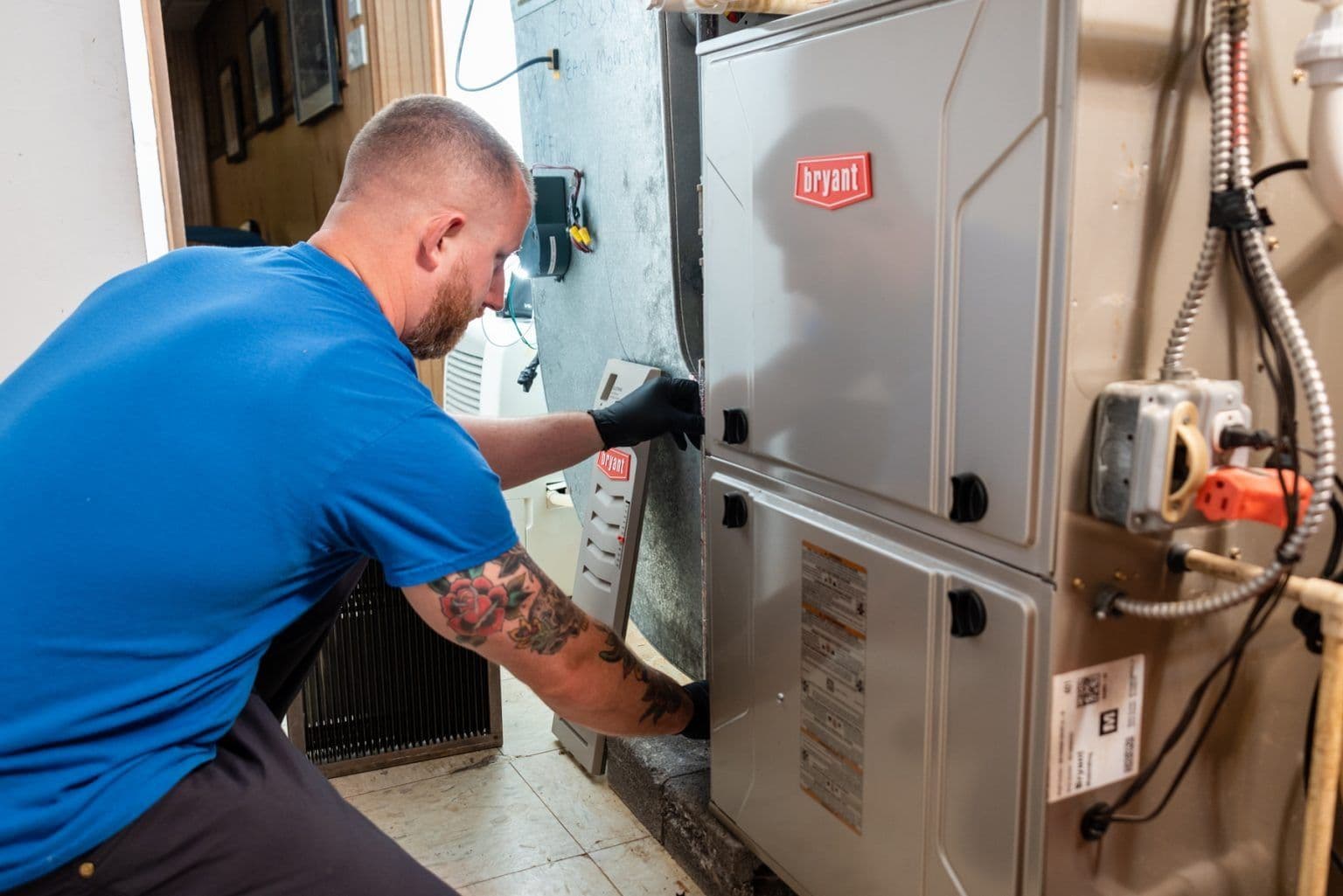
Furnace repair costs vary significantly depending on which component failed. An ignitor replacement is typically one of the more affordable fixes, often landing toward the lower end of the repair spectrum including labor. Blower motor repairs are more involved and generally cost several times more than a basic ignitor fix, depending on the motor type and your system's age. A cracked heat exchanger, however, is a completely different situation. It's a serious safety concern, and replacement costs can reach a level where the repair bill alone rivals what you might put toward a new system. In many cases, a failed heat exchanger makes replacement the smarter financial choice rather than the repair itself. What moves the number up? Deferred maintenance almost always leads to cascading failures, meaning one neglected part takes out another. What keeps costs down? Systems that receive consistent annual heating maintenance simply fail less often and less severely.
Heat Pump Fixes Cost More. Here Is the Real Reason Why
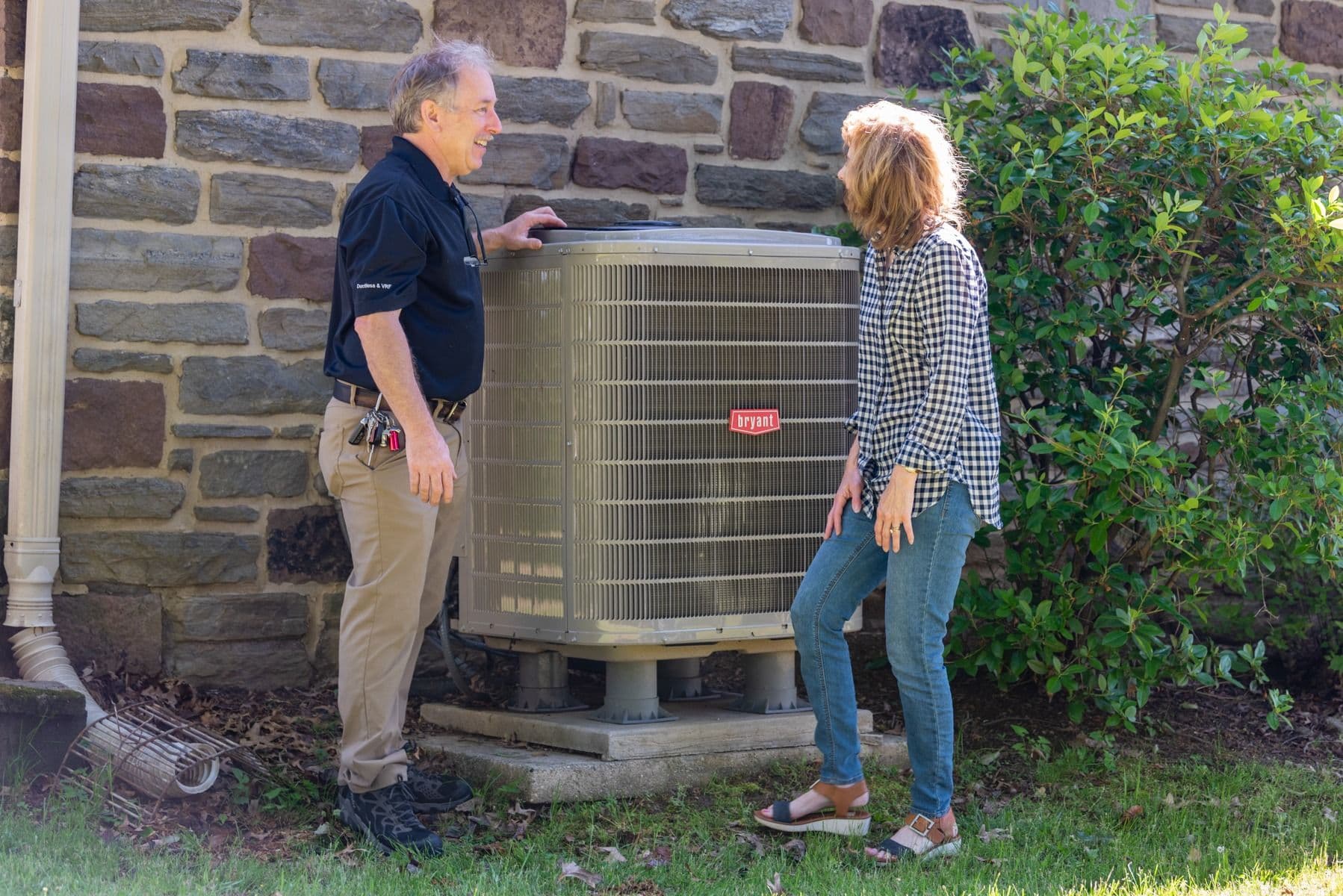
Heat pumps handle both heating and cooling, which means the components inside work harder and operate across more months of the year than a standard furnace or AC unit. That dual-season operation accelerates wear on refrigerant circuits, reversing valves, and compressors. Specialized components mean fewer technicians can competently service them, and labor costs reflect that expertise. A reversing valve replacement, for example, is a labor-intensive repair that often runs well into the hundreds, sometimes creeping toward four figures. Compressor work on a heat pump carries similar pricing to central AC but with the added complexity of the refrigerant system's dual-function design. The good news is that heat pumps, when properly maintained, are highly efficient and durable systems. If yours is under 10 years old and has been serviced regularly, most repairs are still worth completing. Beyond that age range, the repair-vs-replace math starts to shift. You can explore cooling system repair options with us to figure out where your system stands.
Repair vs. HVAC Replacement Cost: The Rule Worth Knowing
The most reliable framework we use is called the 50% rule: if the cost of the repair exceeds 50% of what a new comparable system would cost, replacement is almost always the better financial decision. This isn't arbitrary. It accounts for the reality that older equipment will continue to fail, and cumulative repair spending compounds fast. The repair or replace decision also involves your system's current energy efficiency. Older systems often run at SEER ratings well below what modern equipment achieves, meaning you're also paying inflated utility bills every single month on top of repair costs. HVAC replacement cost is a real number up front, but it ends the cycle of breakdown costs and emergency repair calls.
When HVAC System Replacement Cost Is the Smarter Call
Certain situations make replacement clearly the right move, regardless of how the 50% calculation lands. If your system is 15 years or older, repeated breakdowns are normal, not bad luck. At that age, one component failure often signals that others are close behind. Notably, 34% of homeowners are currently deferring essential home services due to cost concerns, so if that sounds familiar, you are not alone. HVAC system replacement cost looks much more reasonable when you factor in that you're also buying years free of repair bills, better indoor air quality, and meaningfully lower monthly energy costs. If you've called for heating system repairs two or more times in the past two years on an older unit, that pattern tells you something important about where the system is headed.
Cost of HVAC Replacement Stacked Against Years of Repairs
Consider a homeowner spending $400–$600 annually on repairs over five years. That's $2,000–$3,000 in cumulative repair bills on a system that's still aging and losing efficiency. The cost of HVAC replacement for a standard residential system currently falls well into the five-figure range depending on system type, size, and installation complexity, but that investment buys a decade or more of reliable, efficient operation. Financing options that spread replacement costs over manageable monthly payments can make replacement more affordable sooner than most homeowners expect. Peace of mind has real value, especially in the middle of January or August.
How a Maintenance Plan Keeps Big Repair Bills Away Longer
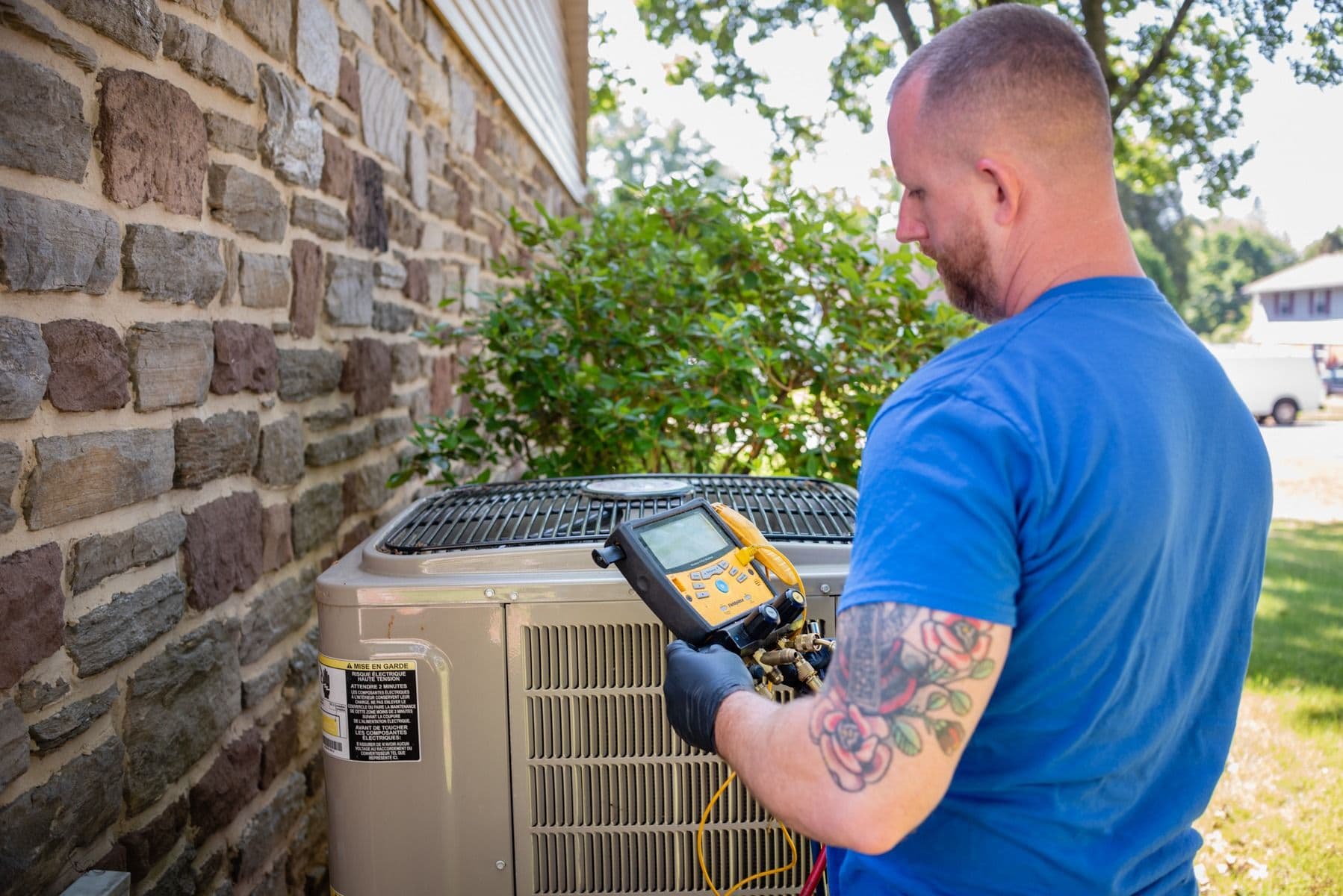
Preventive maintenance is genuinely the most cost-effective thing you can do for your HVAC system. Annual HVAC maintenance typically costs far less than even a single mid-range repair call, and it dramatically reduces the likelihood of those calls happening in the first place. Regular maintenance catches refrigerant issues early, keeps blower motors clean and properly lubricated, verifies heat exchanger integrity, and confirms that thermostats and controls are functioning correctly. Our seasonal maintenance program is designed to extend system lifespan and protect your equipment warranty. Moreover, a service contract gives you priority scheduling, which matters enormously when your heat goes out on a cold January night. We're not selling maintenance plans because they're profitable; we're recommending them because preventive maintenance consistently outperforms reactive repairs on both cost and reliability metrics across all system types.
Picking a Local HVAC Company That Shoots You Straight
Choosing the right local HVAC company protects you as much as any maintenance plan does. Here's what to look for:
- Licensed and insured contractors who pull permits when required, not just verbal assurances.
- Transparent, itemized quotes that separate diagnostic fees, parts, and labor costs clearly.
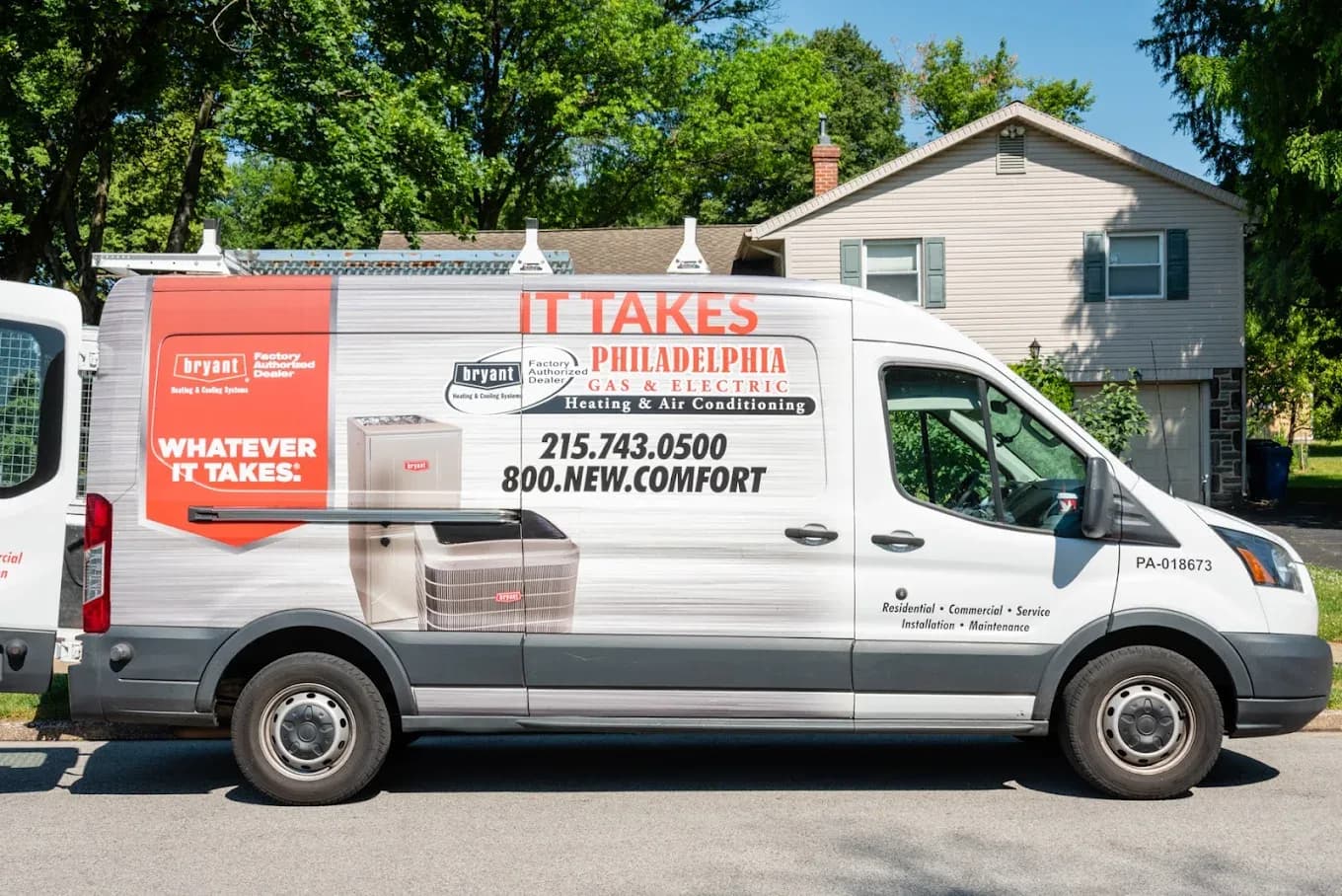
- Bryant authorized dealer status or equivalent manufacturer authorization, which signals rigorous training, accountability standards, and access to quality equipment backed by strong manufacturer warranties.
- Willingness to explain repair-vs-replace options honestly rather than defaulting to the option that earns more.
- Verifiable local reviews and a real service history in your community.
Red flags include high-pressure upsells during service calls, vague quotes with no line-item breakdown, and technicians who recommend full replacement on systems under 10 years old without a clear documented reason. We've built our reputation in this area by doing the opposite, and our neighbors notice.
Frequently Asked Questions

What is a fair average HVAC repair cost for most homes?
Most residential HVAC repairs range from a modest few hundred dollars up to well over a thousand, with the average air conditioning repair cost landing somewhere in the low-to-mid hundreds for common issues. Equipment age, parts availability, and local labor rates are the main variables that move the number up or down.
How do I know if HVAC system replacement cost is worth it?
If your system is over 15 years old, has needed repairs more than twice recently, or the repair quote exceeds half the cost of a new unit, replacement is almost always the smarter long-term investment. Rising utility bills from declining system efficiency strengthen that case further.
Does a warranty actually lower my HVAC replacement cost?
Yes, meaningfully. A strong manufacturer warranty covers parts for 10 years or more on qualifying equipment, and a labor warranty from your licensed contractor covers installation workmanship. Ask about both before signing anything. They can directly reduce your future out-of-pocket exposure.
Frequently Asked Questions
The most common expensive repairs we see from delayed HVAC maintenance include complete compressor failure, cracked heat exchangers in furnaces, and total blower motor burnout. In nearly every case, these major failures started as small, unaddressed problems that were given months to get worse.
Absolutely. Beyond the eventual major repairs, you'll also deal with higher energy bills from an inefficient system. Additionally, other components can sustain damage from the extra strain, and you may face premature replacement of your entire unit — years before its expected lifespan is up.
Without question. The lifespan of the HVAC system depends directly on proper care and upkeep. When you ignore minor issues or skip routine maintenance, you're putting continuous strain on every component. Over time, that accelerated wear and tear means you could need a new unit years earlier than expected.
Sort By:
Date (Newest First)
Get Fast Service: Heating, A/C, Or Indoor Air Quality
Philadelphia Gas & Electric